CAD Design
Each case is digitally engineered with precise control over morphology, occlusion, and spatial positioning. Virtual articulation and dynamic occlusal analysis allow restorations to be designed in harmony with the patient’s existing dentition, reducing the risk of interferences.

CAM and Adaptive (3D Printing) Manufacturing
Restorations are manufactured using advanced 5 axis and 4 axis milling systems, with material-specific protocols to maintain accuracy and structural integrity. 3D printing enables precise, layer-by-layer fabrication of dental models, guides, splints and restorations directly from digital designs. It improves accuracy, consistency and turnaround times while reducing manual processes.
%20Manufacturing.jpg)
Digital Smile Design (DSD)
Digital Smile Design integrates facial analysis with dental morphology, allowing clinicians to visualise and refine outcomes before treatment begins. This improves communication, case acceptance, and alignment between clinical planning and final results.
From there, the lab translates the 2D design into a 3D using CAD software. This is then either milled or 3D printed as a mock-up, allowing a “test-drive” of the final result in the patient’s mouth.
.jpg)
Case Planning & Clinical Support
DDI works collaboratively with clinicians during the planning phase, providing input on preparation design, material selection, and occlusal strategy. This ensures that each case is both clinically sound and aligned with the intended outcome.
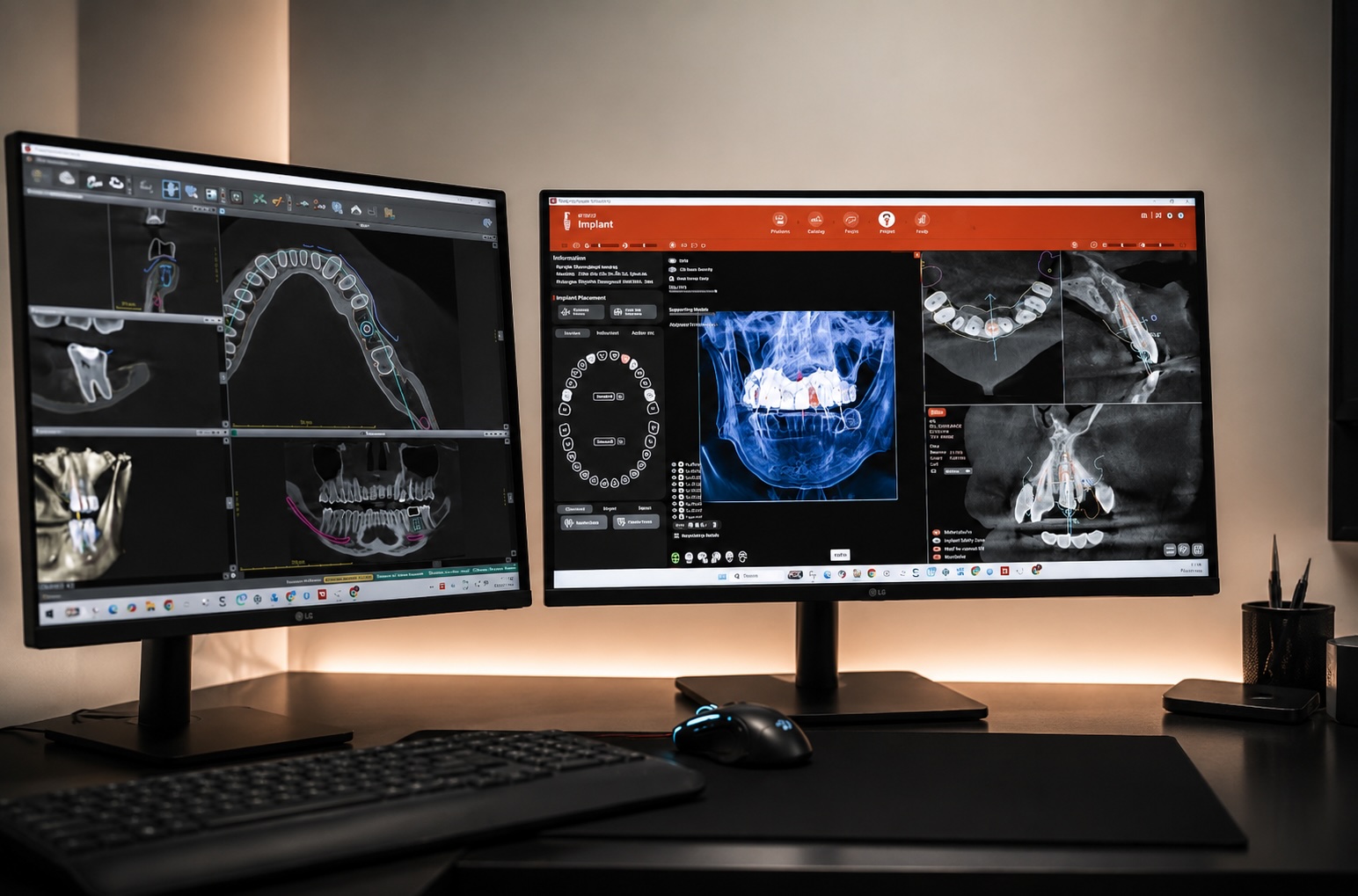
Real-Time Case Tracking
Clinicians have full visibility over case progression, from design through to manufacturing and dispatch, enabling improved communication and scheduling between clinic and laboratory.